
Hydroponic agriculture is reshaping the future of farming. As global food demand increases and farmland becomes limited, hydroponics offers a cleaner, faster, and more sustainable way to grow high-quality crops. Yet innovation alone is not enough. Ethical practices—such as resource conservation, environmental protection, and transparency—must guide these modern systems. When innovation and ethics work together, hydroponic farming becomes a powerful solution for a healthier planet.
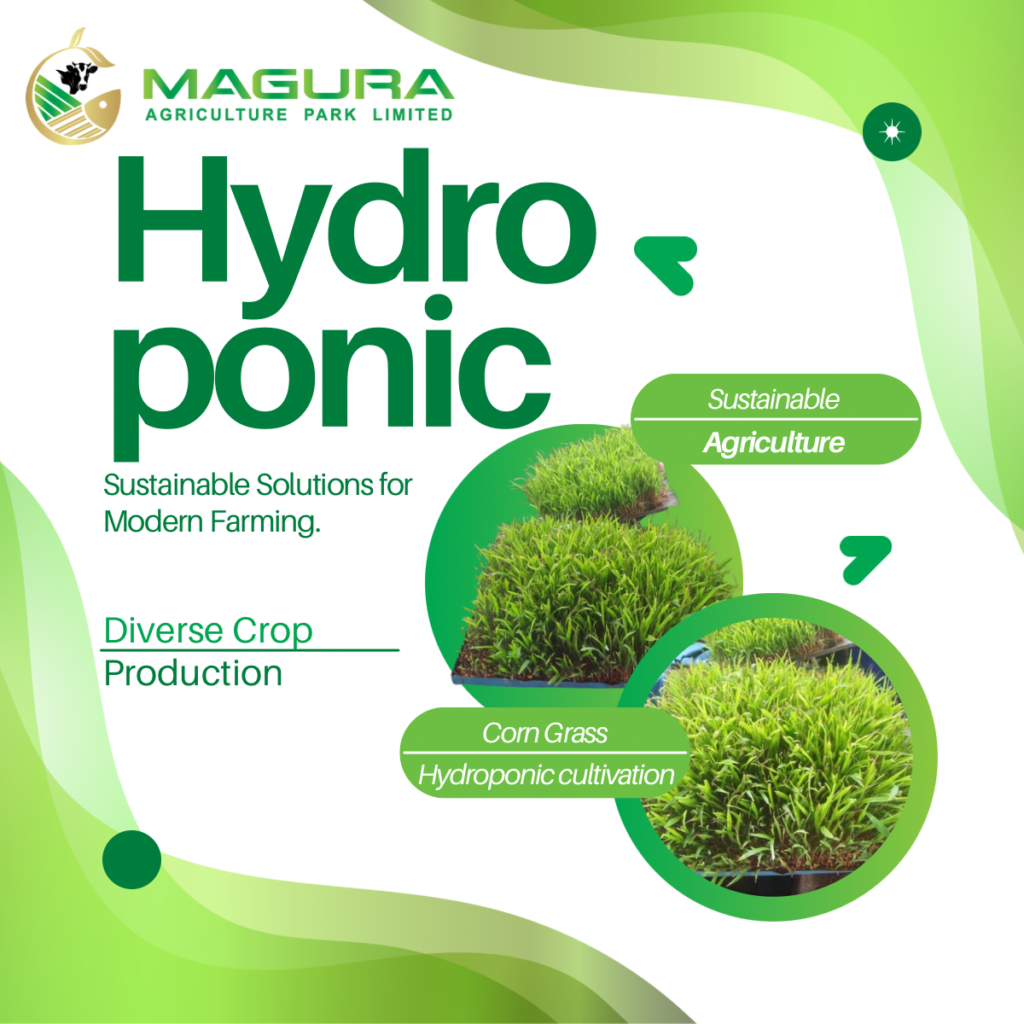
Why Hydroponics Is a Revolutionary Innovation
Hydroponics allows crops to grow without soil, using nutrient-rich water instead. This technique delivers several major advantages:
- Up to 90% less water use compared to traditional farming
- Year-round production, unaffected by weather
- Faster plant growth due to controlled conditions
- Space-efficient vertical systems
- Cleaner produce with minimal pesticide use
Because every drop of water and nutrient can be monitored, hydroponics ensures precision, efficiency, and consistency—core factors in modern agricultural innovation.
The Ethical Side of Hydroponic Farming
Ethical agriculture focuses on doing what is right for the environment, consumers, and future generations. Hydroponic farming naturally supports ethical values in many ways:
- Reduced land degradation because no soil is used
- Lower carbon footprint due to fewer field operations
- Less chemical pollution thanks to targeted nutrient delivery
- Safe, pesticide-light vegetables that protect consumers
- Better resource management by recycling water in closed-loop systems
Moreover, hydroponics minimizes the pressure on natural ecosystems, allowing forests, wetlands, and biodiversity to remain untouched.
Where Innovation and Ethics Meet in Hydroponics
Hydroponics is one of the few agricultural methods where advanced technology and ethical principles naturally align.
1. Precision Nutrient Management
Modern hydroponic systems use sensors to monitor pH, EC, and nutrient levels. As a result, plants receive exactly what they need, reducing waste and preventing nutrient runoff into the environment.
2. Water Conservation Through Recirculation
Closed-loop hydroponic systems recycle water continuously. Consequently, hydroponic farms use significantly less water than traditional systems, making them ideal for regions facing water scarcity.
3. Reduced Use of Pesticides
Because hydroponics is a controlled environment, pests and diseases are easier to manage. This reduces the need for harmful chemicals and ensures safer produce for consumers.
4. Energy-Efficient LED Lighting
Advanced LED grow lights minimize energy consumption while promoting optimal plant growth. This innovation contributes to both profitability and environmental sustainability.
Environmental Advantages of Hydroponics
Hydroponics supports long-term ecological balance through:
- Conservation of natural soil
- Reduced greenhouse gas emissions
- Preservation of biodiversity
- Lower risk of agricultural runoff
- Sustainable use of water and nutrients
These benefits make hydroponics a key solution in the global transition toward climate-smart agriculture.
Hydroponics at MAPL: A New Standard for Green Farming
At Magura Agriculture Park Limited (MAPL), hydroponic technology plays an essential role in producing clean, chemical-light vegetables. MAPL’s hydroponic units are designed to save water, minimize waste, and ensure consistent crop quality throughout the year. By combining innovation with ethical practices, MAPL sets a positive example of how modern farming can protect nature while feeding communities.
MAPL’s approach showcases:
- Responsible water use
- Nutrient recirculation
- Hygienic production environments
- Transparent processes for consumers
This commitment strengthens both the environment and the trust of customers seeking safe, fresh, and ethically grown produce.
Conclusion
Hydroponic agriculture represents the perfect balance of innovation and ethics. As the world searches for sustainable farming solutions, hydroponics offers a pathway to produce more food with fewer resources—while protecting the environment. By adopting responsible practices and embracing modern technology, farms like MAPL are building a future where agriculture supports both people and the planet.
Leave a Reply